How to prepare a useful interior design brief
A clear brief makes your first design conversation more productive. Bring the information that explains the property, the people and the decisions ahead.
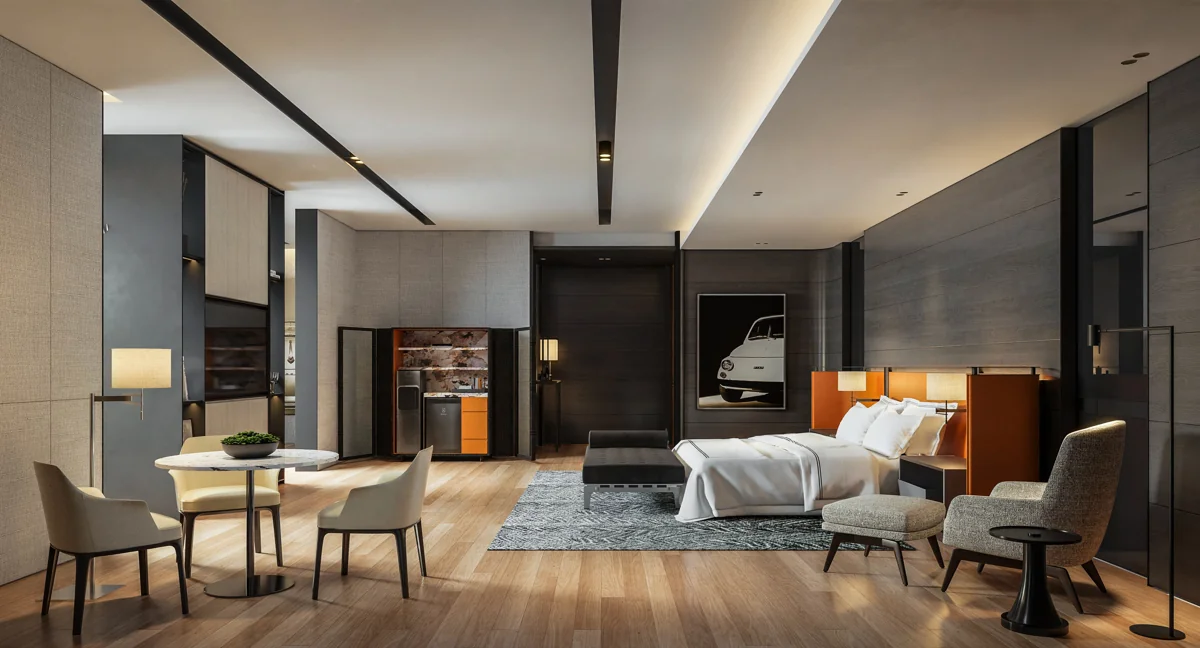 A private residence / Singapore
Start with the property
Share the address or development, a floor plan and current photographs. Note whether the premises are occupied, newly purchased or still being considered. Existing drawings may need checking against the site; their source and date help the designer understand how reliable they are.
Describe activities before appearance
List who uses the space and what they need to do. For a home, consider cooking, hosting, working, storage and privacy. For a venue, describe the guest, service model and staff requirements. Mark the few needs that are essential and separate them from preferences.
Record what stays
Furniture, artwork, equipment and existing finishes can shape the design. Provide dimensions and photographs, and say why each item matters. Retained elements need their own place in the plan; leaving them until later can force compromises.
Discuss budget and timing together
State the available allowance and what it must cover. Design fees, construction, furniture and specialist work may sit in different scopes. Tell the team about lease dates, move-in plans and any fixed opening date. An early programme should record assumptions as well as milestones.
Agree the next decision
The first conversation should establish the information still needed and the appointment being considered. Ask what drawings, sample reviews and coordination are included. A clear proposal makes it easier to compare services and understand how the project will proceed.
Explore our interior design services and Singapore coverage, or discuss your project.
Let’s shape
what comes next.
Start a conversation ↗Residential · Workplace · Hospitality · Commercial